
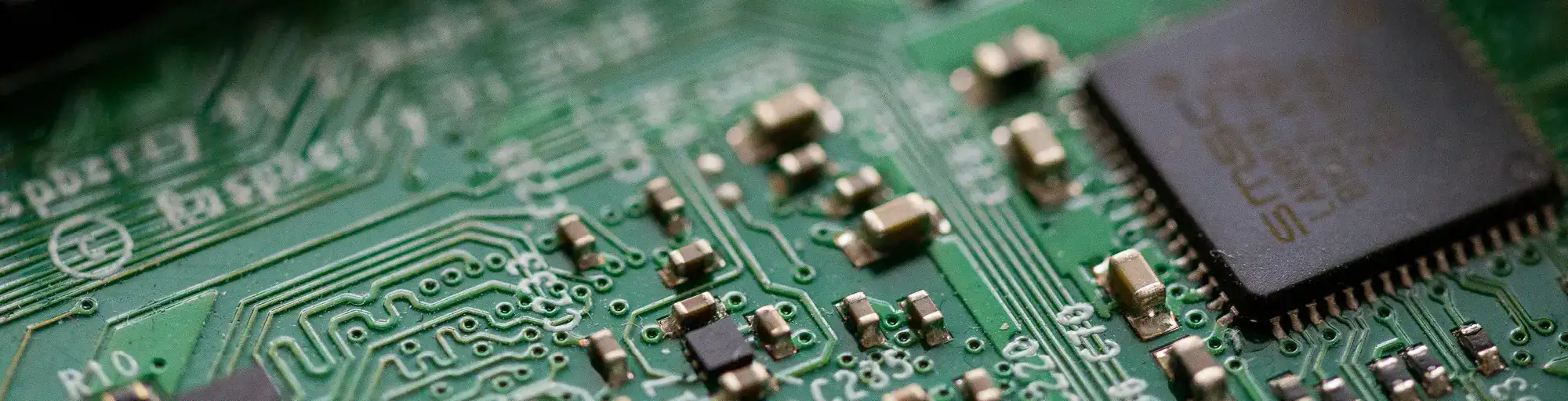
back-drilling
Removing unused via stub portions to reduce signal integrity issues at high frequencies.
Definition
Back-drilling (also called controlled-depth drilling or stub removal) removes the unused portion of through-hole vias to eliminate via stubs. Stubs act as unterminated transmission line branches, causing resonances and signal reflections at high frequencies. Back-drill depth is controlled to leave a small margin above the target layer. Back-drilling is common for high-speed designs above 5-10 Gbps where stub effects become significant. Alternative technologies include HDI with blind/buried vias to avoid stubs entirely.