
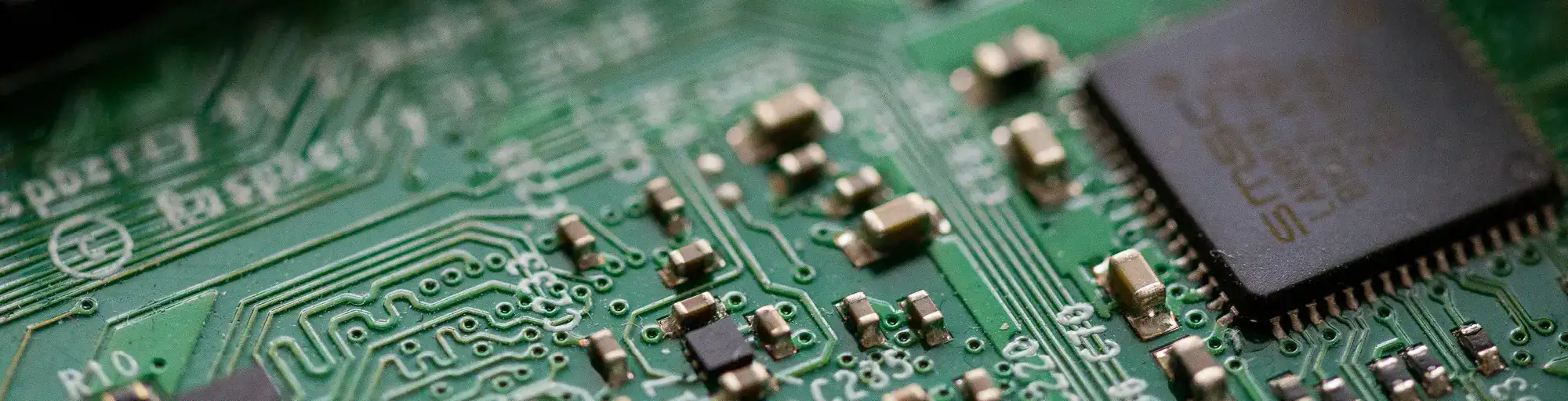
reflow oven
Also known as: reflow soldering oven, convection oven
Manufacturing ProcessesHeated chamber that melts solder paste to form permanent solder joints.
Definition
A reflow oven heats PCB assemblies through a controlled temperature profile to melt solder paste and form solder joints. Modern ovens use convection heating with multiple zones: preheat (ramp to ~150°C), soak (flux activation), reflow (peak at 235-260°C depending on alloy), and cooling. The thermal profile must balance heating all joints adequately while not exceeding component temperature ratings. For PCB designers, reflow affects: component selection (check MSL ratings for peak temperature), thermal mass balancing (large ground planes heat slower, causing tombstoning), and double-sided assembly sequence (bottom-side components must survive second reflow). Lead-free reflow requires higher temperatures than leaded, stressing components and laminates more.