
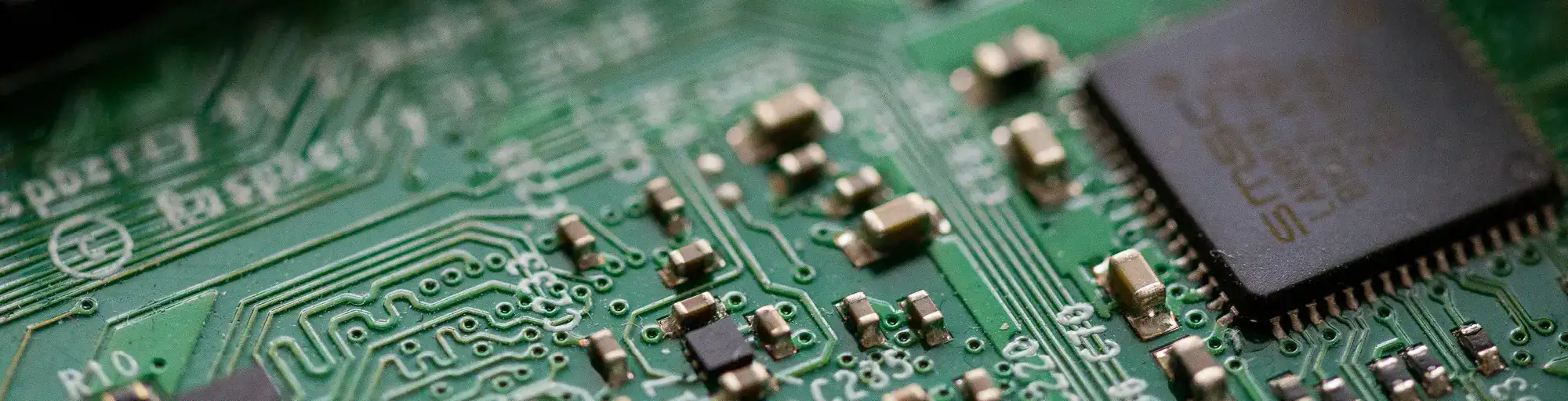
tombstoning
Also known as: drawbridging, Manhattan effect
Manufacturing ProcessesAssembly defect where a component stands on end due to unbalanced solder forces.
Definition
Tombstoning occurs when a small two-terminal component (typically 0402 or 0603 chip resistor/capacitor) stands up on one end during reflow soldering. The defect happens when solder on one pad melts before the other, and surface tension pulls the component vertical. Causes include unequal pad sizes, unbalanced thermal mass (one pad connected to a large copper pour), asymmetric paste deposits, or component placement offset. PCB design mitigations: use identical pad geometry on both ends, add thermal relief to pads connected to planes, and ensure symmetric routing. Tombstoning is more common with lead-free solder due to higher surface tension.